Health
The Complete Guide to Soutaipasu: Finding Balance Through Japanese Movement

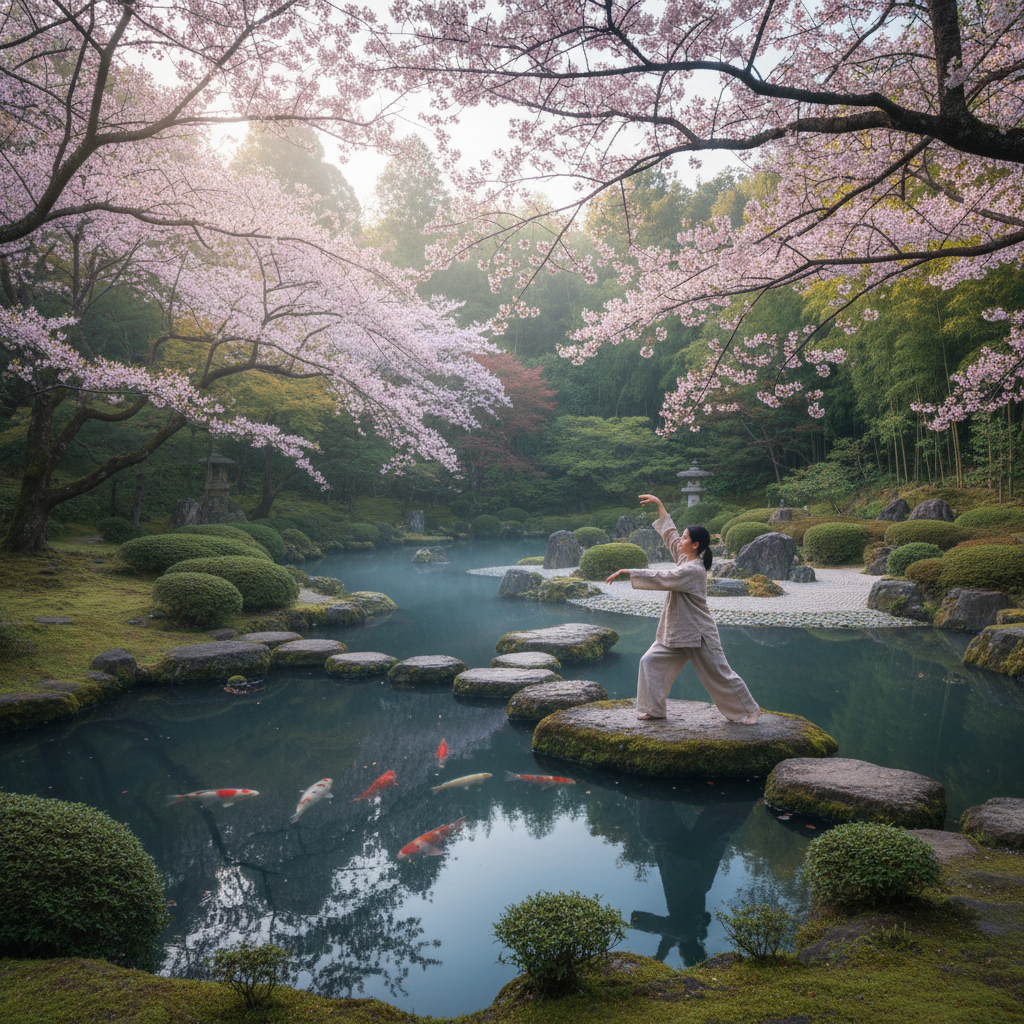
Feeling constantly out of alignment, both physically and mentally, is a common struggle for many people. Between hunched shoulders over keyboards and the endless mental chatter of daily stress, finding a practice that restores harmony is more important than ever. If you have been searching for a gentle yet profound way to reconnect your mind and body, you might be intrigued by the philosophy and practice of Soutaipasu.
Rooted in Japanese concepts of relative balance and movement, Soutaipasu offers a unique pathway to holistic well-being. It is a concept that merges the idea of a “relative path” with intentional, mindful movement designed to unwind tension and restore the body’s natural state of ease. By understanding how the body moves in relation to itself and its environment, practitioners can unlock a deep sense of physical relief and mental clarity.
This guide explores the history, core principles, and profound benefits of this gentle movement philosophy. You will learn how it compares to other popular mind-body practices, how to integrate its techniques into your daily routine, and how to find the right guidance to start your journey toward balance.
Introduction to Soutaipasu: Definition and Philosophy
At its core, Soutaipasu translates roughly to “relative path.” It is a philosophy that emphasizes the interconnectedness of the body’s movements and the necessity of balance. Rather than forcing the body into rigid postures, the philosophy of Soutaipasu encourages moving away from pain and resistance, seeking the path of least resistance to restore natural alignment.
The underlying belief is that the body possesses an innate intelligence. When we experience pain or structural misalignment, it is often because we have strayed from our natural, balanced state. Soutaipasu teaches that by carefully listening to the body’s signals and moving gently in the direction of comfort and ease, we can encourage the nervous and muscular systems to reset themselves.
The History and Evolution of Soutaipasu in Japan
The principles behind Soutaipasu are deeply influenced by traditional Japanese medicine and bodywork, sharing common DNA with therapies like Sotai-ho, which was developed by Dr. Keizo Hashimoto. Historically, Japanese healing arts have always placed a strong emphasis on the flow of energy and the structural integrity of the body.
Over the decades, these movement principles evolved from clinical treatments into broader lifestyle philosophies. Practitioners observed that teaching patients how to move thoughtfully on their own was just as effective as manual therapy. Soutaipasu emerged as a modern interpretation of these ancient truths, blending traditional Eastern medical wisdom with a contemporary understanding of biomechanics and holistic wellness.
Core Principles of Soutaipasu: Movement, Balance, and Connection
To truly understand Soutaipasu, you must grasp its foundational principles, which revolve around harmony and mindful awareness.
Moving Toward Comfort
One of the most radical concepts in this practice is the rejection of the “no pain, no gain” mentality. Instead, movements are designed to be entirely pain-free. If a specific motion causes discomfort, the practitioner is instructed to move in the opposite direction—the direction of ease.
Synchronized Breathing
Breath is the bridge between the mind and the body. In Soutaipasu, every movement is intimately paired with the breath. Exhaling during the release of a movement signals the nervous system to relax, allowing for deeper unwinding of muscular tension.
Holistic Connection
The body is viewed as a single, interconnected web. A misalignment in the pelvis can manifest as a headache, and tension in the jaw can affect the shoulders. Soutaipasu addresses the body as a whole, focusing on full-body integration rather than isolating specific muscles.
Benefits of Practicing Soutaipasu for Physical and Mental Health
Committing to a regular Soutaipasu practice yields a wide array of benefits that extend far beyond simple flexibility.
Physical Benefits
- Pain Relief: By moving away from pain and re-educating the nervous system, practitioners often experience significant relief from chronic back, neck, and joint pain.
- Improved Posture: The gentle realignment of the musculoskeletal system helps correct poor postural habits.
- Enhanced Mobility: Joint stiffness melts away, leaving the body feeling more fluid, agile, and resilient.
Mental and Emotional Benefits
- Stress Reduction: The slow, mindful nature of the practice activates the parasympathetic nervous system, lowering cortisol levels and reducing anxiety.
- Increased Body Awareness: Practitioners develop a heightened sense of proprioception, becoming more attuned to their physical and emotional states.
- Mental Clarity: The meditative focus required to synchronize breath and movement clears mental fog and promotes a sense of inner calm.
Soutaipasu Techniques: A Step-by-Step Guide
While it is always best to learn under the guidance of a professional, you can begin to explore the basic concepts of Soutaipasu safely at home. Here is a simple introductory sequence.
Step 1: Assessment
Lie on your back on a comfortable mat. Take a few deep breaths and scan your body. Notice any areas of tension, asymmetry, or discomfort. Gently turn your head to the left, then to the right. Notice which side feels easier and more fluid.
Step 2: The Movement of Ease
If turning your head to the right felt easier, you will focus your movement in that direction. Inhale deeply, and as you exhale, slowly and gently turn your head to the right (the comfortable direction).
Step 3: Gentle Resistance and Release
Hold the position at the end of your comfortable range of motion for a few seconds. Take another deep breath in. As you exhale, completely relax all your muscles and let your head return naturally to the center.
Step 4: Re-evaluation
Rest for a moment, then gently test turning your head to the left again. You will often find that by moving in the direction of ease, the restricted side has magically loosened up. This principle can be applied to the hips, shoulders, and spine.
Integrating Soutaipasu into Daily Life
You do not need an hour of uninterrupted time to benefit from this practice. The beauty of Soutaipasu lies in its adaptability.
Consider taking “movement snacks” throughout your workday. If you have been sitting at a desk, stand up and perform a gentle twist, finding the direction that feels most pleasant, and breathing into that space. When you wake up in the morning, spend five minutes stretching in bed, intentionally moving only in ways that feel luxurious and comfortable. By embedding these mindful micro-movements into your routine, you continuously remind your nervous system to stay balanced and relaxed.
Comparison with Other Mind-Body Practices (Yoga, Tai Chi, etc.)
It is natural to wonder how Soutaipasu stacks up against other well-known holistic practices. While they share common goals of health and harmony, their approaches differ significantly.
Soutaipasu vs. Yoga
Yoga often involves holding static postures (asanas) to build strength and flexibility. It sometimes encourages pushing slightly past one’s comfort zone to achieve a deeper stretch. Soutaipasu, conversely, is entirely dynamic and strictly avoids moving into pain or resistance. It is less about achieving a specific shape and more about neuromuscular re-education.
Soutaipasu vs. Tai Chi
Tai Chi involves a choreographed sequence of flowing martial arts movements. It is excellent for balance and moving meditation. While Soutaipasu is also gentle and mindful, it is more diagnostic and corrective. The movements in Soutaipasu are dictated by the individual’s specific imbalances on any given day, rather than a set sequence of forms.
Case Studies and Testimonials
The transformative power of this practice is best understood through the experiences of those who use it.
Consider the case of Sarah, a 45-year-old graphic designer who suffered from chronic lower back pain for years. Traditional stretching often left her feeling more inflamed. After discovering Soutaipasu, she learned to stop forcing her body into painful stretches. By working exclusively within her pain-free range of motion, her nervous system finally felt safe enough to let go of the chronic muscle spasms. Within two months, her back pain was virtually gone.
Mark, a former athlete dealing with joint stiffness, noted, “I was always taught to push through the pain. Learning to move toward comfort felt counterintuitive at first, but the results were undeniable. My joints feel years younger, and my overall stress levels have plummeted.”
Finding a Qualified Soutaipasu Instructor
Because Soutaipasu relies heavily on subtle body awareness and neuromuscular feedback, finding a skilled instructor is highly recommended, especially when you are just starting out.
Look for practitioners who have a background in Japanese movement therapies, such as Shiatsu or Sotai-ho, as these disciplines share the same foundational philosophy. Ask potential instructors about their training, their approach to pain management, and whether they offer one-on-one assessments. Many qualified instructors offer online consultations, making it easier than ever to access this specialized knowledge regardless of your location.
Embracing a Lifetime of Balanced Movement
The journey to physical harmony does not require punishing workouts or painful stretching routines. Soutaipasu offers a profound alternative: a gentle, respectful dialogue with your own body. By choosing the path of least resistance, breathing deeply, and listening to your innate physical wisdom, you can unwind years of accumulated tension.
Embracing Soutaipasu is more than just learning a new set of exercises; it is adopting a philosophy of compassion toward yourself. Start exploring these movements today, and discover how moving toward comfort can transform not just your physical health, but your entire approach to holistic well-being.




Embarqmail Login: Accessing, Managing, and Troubleshooting Your Email Account

WhatUTalkingBoutWillis Gift Guide: Thoughtful Gift Ideas for Every Occasion

Michael Steele MSNBC Salary: Career, Earnings, Net Worth, and Media Success
-

 Fashion9 years ago
These ’90s fashion trends are making a comeback in 2017
-

 Entertainment6 months ago
Big brother magazine: 7 Powerful Lessons from a Rebel Skateboarding Icon
-
Entertainment9 years ago
The final 6 ‘Game of Thrones’ episodes might feel like a full season
-

 Blog6 months ago
مانهوا الدرس السري: The Hidden World Behind This Popular Manhwa
-
Fashion9 years ago
According to Dior Couture, this taboo fashion accessory is back
-
Sports9 years ago
Boxing continues to knock itself out with bewildering, incorrect decisions
-
Entertainment9 years ago
Mod turns ‘Counter-Strike’ into a ‘Tekken’ clone with fighting chickens
-
Entertainment9 years ago
The old and New Edition cast comes together to perform