Food
Palentu: 9 Powerful Reasons This Traditional Comfort Food Still Wins Hearts

What Is Palentu?
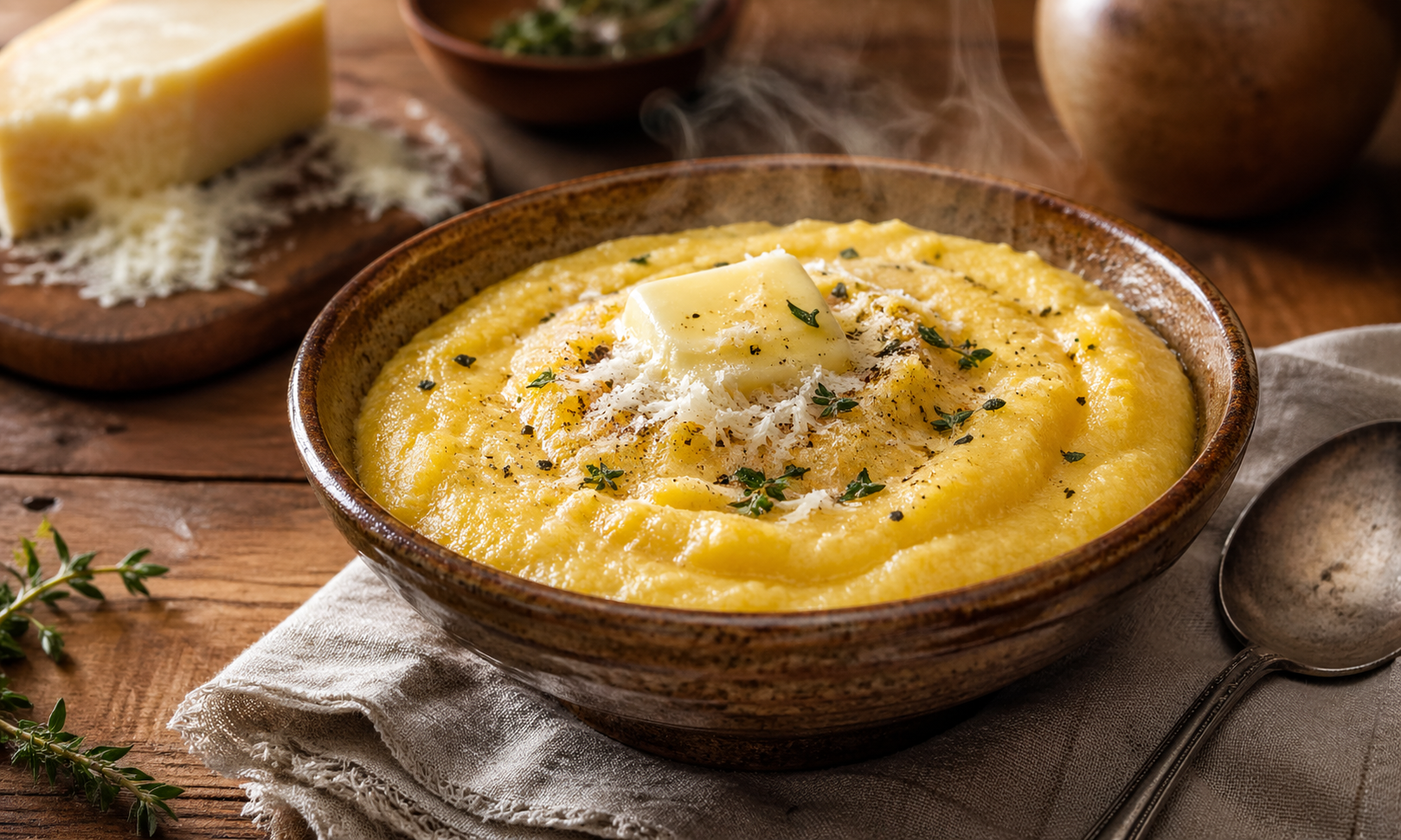
Palentu is best understood as a cornmeal-based dish that is cooked with water, milk, or broth until it turns soft, smooth, and filling. In many food traditions, it is closely related to palenta and polenta. The term itself is not as globally fixed as “polenta,” so its meaning may change a little depending on the region or website using it. Recent online explanations describe it as a developing keyword often linked to palenta or polenta, rather than a completely separate dish.
In simple words, this food is made by slowly cooking ground corn in liquid. The result can be creamy like porridge or firm enough to slice. Britannica describes polenta as ground corn cooked in salted water, often served hot or cooled and then baked, toasted, or fried. Since Palentu is commonly explained through that same food family, this connection helps readers understand it better.
Simple Definition for Beginners
Think of Palentu as a warm, humble, and flexible comfort food. It starts with cornmeal and liquid. After cooking, it becomes thick and smooth. You can eat it plain, top it with cheese, serve it with vegetables, or pair it with meat-based sauces.
It is not a fancy dish, but that is part of its charm. Many traditional foods became popular because they were affordable, easy to make, and filling. Palentu fits that pattern well. It gives energy, feels satisfying, and can be changed to match many tastes.
Why the Term Can Be Confusing
The word “Palentu” may confuse readers because it is often used near words like palenta and polenta. Palenta is a name used in parts of Croatia and nearby regions for dishes made from cooked corn grits or similar ingredients. Croatian sources describe palenta, žganci, and pura as related dishes made from cooked corn grits, wheat flour, potatoes, or other ingredients.
So, when people search for Palentu, they may be looking for a traditional cornmeal dish, a regional spelling, or a modern article about food culture. For this reason, the safest and clearest explanation is this: Palentu is commonly treated as a close relative or spelling variation of palenta and polenta.
The Traditional Roots of Palentu
Palentu belongs to a wide family of grain-based foods that have fed families for generations. Before modern supermarkets, people often relied on simple pantry foods. Cornmeal was useful because it was affordable, easy to store, and could feed many people.
In parts of Europe, especially around Italy, Croatia, Slovenia, Serbia, Romania, and nearby regions, cooked cornmeal dishes became everyday meals. They could be served with milk, yogurt, cheese, cream, vegetables, or rich sauces. This made them useful for both poor households and festive tables.
Connection to Palenta and Polenta
Polenta is strongly linked to northern Italy. Britannica notes that it is traditionally associated with northern Italy, especially Piedmont, and is usually made from ground corn cooked in salted water.
Palenta is also used in Croatian food culture. In Istria, Primorje, and Dalmatia, palenta is described as a common dish, while in some other Croatian areas similar foods are called žganci.
That means Palentu sits inside a bigger food story. It is not just about one recipe. It is about how simple cornmeal dishes traveled, changed names, and became part of local identity.
Cornmeal as a Staple Ingredient
Cornmeal is the heart of the dish. It comes in fine, medium, or coarse textures. Coarse cornmeal often gives a more rustic bite, while finer cornmeal creates a softer and creamier result.
The liquid also matters. Water gives a clean and simple taste. Broth adds depth. Milk makes the dish softer and richer. Small changes can make the final bowl feel completely different.
Key Ingredients Used in Palentu
The beauty of Palentu is that it does not need a long shopping list. In its most basic form, it uses only cornmeal, liquid, and salt. That makes it budget-friendly and easy for beginners.
| Ingredient | Purpose | Simple Tip |
|---|---|---|
| Cornmeal | Main base | Use medium or coarse grind for texture |
| Water or broth | Cooking liquid | Broth gives more flavor |
| Salt | Seasoning | Add early so the flavor spreads |
| Butter or oil | Richness | Add near the end |
| Cheese | Creaminess | Stir in after cooking |
| Herbs | Fresh flavor | Use parsley, thyme, or basil |
Basic Pantry Ingredients
A simple version needs:
- Cornmeal
- Water
- Salt
- A little butter or oil
That is enough to make a warm and filling dish. Many instant palenta products use corn grits and can cook quickly. One Croatian product page, for example, lists instant corn grits as the main ingredient and gives a short cooking time of a few minutes.
Optional Add-Ins for Rich Flavor
To make it richer, people often add butter, cheese, cream, or olive oil. For a lighter version, vegetables, herbs, and broth work well. The best choice depends on the meal.
For example, a breakfast bowl may use milk and a small spoon of honey. A dinner version may use broth, mushrooms, roasted vegetables, or a tomato sauce. This flexibility is one big reason the dish still feels modern.
How Palentu Is Cooked
Cooking Palentu is simple, but it needs patience. The most important rule is to add cornmeal slowly while stirring. This helps stop lumps from forming.
A common method looks like this:
- Bring water, broth, or milk to a gentle boil.
- Add salt.
- Pour in cornmeal slowly while stirring.
- Lower the heat.
- Keep stirring until thick and smooth.
- Add butter, oil, or cheese near the end.
- Serve soft, or cool it until firm.
Soft and Creamy Style
Soft Palentu is served right away. It should look smooth and spoonable. This version works well with stews, roasted vegetables, cheese, or a simple drizzle of olive oil.
To keep it creamy, use enough liquid and avoid cooking it until it becomes too stiff. If it thickens too much, add a splash of warm water or broth and stir again.
Firm, Sliced, and Grilled Style
Firm Palentu is made by cooking it thick, spreading it into a tray, and letting it cool. Once set, it can be cut into squares or slices. Then it can be baked, grilled, or pan-fried.
This style is great when you want crispy edges. It can replace bread, potatoes, or rice in a meal. It also works well as a base for toppings.
Nutrition and Health Benefits
Palentu can be part of a balanced diet when prepared simply. Cornmeal gives carbohydrates, which the body uses for energy. Because corn is naturally gluten-free, plain cornmeal dishes can be suitable for people avoiding gluten, as long as there is no cross-contact or added wheat-based ingredient.
This point matters because some packaged products may say they can contain traces of wheat. For example, one palenta product page lists corn grits as the ingredient but also notes that it may contain wheat.
Gluten-Free Meal Option
Plain cornmeal is naturally gluten-free, but people with celiac disease or serious gluten sensitivity should check labels carefully. A dish made at home with certified gluten-free cornmeal is safer than one made from a product processed near wheat.
How Toppings Change Nutrition
The base dish is simple. But toppings can change everything.
| Version | Nutrition Style | Best For |
|---|---|---|
| Water + salt | Light and simple | Everyday meals |
| Broth + herbs | Flavorful but balanced | Lunch or dinner |
| Butter + cheese | Rich and creamy | Occasional comfort meal |
| Vegetables + beans | More filling and colorful | Balanced meals |
| Cream + heavy sauce | Higher calorie | Special meals |
So, the dish can be light or rich. It depends on what you add. For a balanced plate, pair it with vegetables and a protein source like beans, eggs, fish, chicken, or lentils.
Best Ways to Serve Palentu
Palentu is like a blank canvas. It accepts many flavors without losing its own comforting character. That makes it useful in home kitchens, school lunches, family dinners, and even restaurant-style plates.
Savory Serving Ideas
Here are some tasty savory ideas:
| Serving Style | Topping Idea |
|---|---|
| Rustic bowl | Mushrooms, herbs, and olive oil |
| Family dinner | Tomato sauce and vegetables |
| Protein-rich meal | Beans, lentils, or grilled chicken |
| Creamy comfort plate | Cheese and butter |
| Mediterranean style | Roasted peppers, olives, and herbs |
Soft Palentu pairs well with saucy foods because it soaks up flavor. Firm slices pair well with dips, spreads, and roasted toppings.
Light Breakfast Ideas
For breakfast, keep it gentle and simple. You can cook it with milk, then add fruit, nuts, or a small drizzle of honey. This gives a warm bowl that feels cozy without being heavy.
A savory breakfast version can include a soft egg, herbs, and a little cheese. It is easy, filling, and different from the usual toast or cereal.
Common Mistakes to Avoid
Even simple dishes can go wrong. The good news is that most mistakes are easy to fix.
Lumps, Burning, and Bland Taste
Mistake 1: Adding cornmeal too fast
Pouring cornmeal all at once can create lumps. Add it slowly while stirring.
Mistake 2: Cooking on heat that is too high
High heat can make the mixture splash or stick. Lower heat gives better control.
Mistake 3: Not using enough salt
Cornmeal needs seasoning. Without salt, the taste can feel flat.
Mistake 4: Walking away from the pot
Stir often. A heavy-bottomed pot also helps stop burning.
Mistake 5: Forgetting texture
For creamy results, add more liquid. For firm slices, cook it thicker and let it cool.
Palentu vs. Polenta vs. Grits
Palentu, polenta, and grits are similar because they are all linked to ground corn cooked in liquid. Still, they are not always the same in culture, texture, or corn type.
Serious Eats explains that differences between polenta, grits, and cornmeal often come down to corn type, grind size, and cultural use. It also notes that labeling can be inconsistent, so products may overlap in real kitchens.
| Food | Common Region | Main Idea | Texture |
|---|---|---|---|
| Palentu | Often linked to Balkan-style palenta/polenta usage | Cornmeal dish | Soft or firm |
| Polenta | Italy, especially northern Italy | Cornmeal porridge | Creamy or sliced |
| Palenta | Croatia and nearby regions | Cooked corn grits dish | Usually thick |
| Grits | Southern United States | Ground corn porridge | Creamy |
The main takeaway is simple: these foods are cousins. They share the same comforting base but carry different cultural stories.
FAQs About Palentu
1. What does Palentu mean?
Palentu usually refers to a cornmeal-based dish closely related to palenta and polenta. It is cooked with liquid until soft and thick.
2. Is Palentu the same as polenta?
It is very similar. In many contexts, Palentu is treated as a spelling or regional variation connected to palenta and polenta.
3. What is Palentu made from?
It is usually made from cornmeal, water or broth, and salt. Some versions include milk, butter, cheese, oil, or herbs.
4. Is Palentu healthy?
It can be healthy when made simply and served with balanced toppings. Heavy toppings like cream, butter, and lots of cheese make it richer.
5. Is Palentu gluten-free?
Plain cornmeal is naturally gluten-free. However, packaged products may have wheat traces, so people with gluten sensitivity should check labels.
6. Can Palentu be fried or grilled?
Yes. After cooking, let it cool until firm. Then slice it and bake, grill, or pan-fry it.
7. What does Palentu taste like?
It has a mild corn flavor. It becomes richer when cooked with broth, milk, butter, or cheese.
8. What can I serve with Palentu?
You can serve it with vegetables, mushrooms, beans, cheese, eggs, tomato sauce, stews, or roasted meats.
9. Why is Palentu becoming popular?
It is simple, affordable, filling, and flexible. It also fits modern interest in traditional foods and gluten-free meal ideas.
Conclusion
Palentu is more than a simple cornmeal dish. It is a warm, flexible, and budget-friendly food with deep links to palenta and polenta. While the word may not have one fixed global meaning, it is most often connected to cooked cornmeal meals that can be soft, creamy, firm, sliced, baked, or fried.
Its strength is its simplicity. With only cornmeal, liquid, and salt, you can create a comforting meal. With toppings, herbs, vegetables, or cheese, you can turn it into something special. That is why this traditional food still wins hearts today.

What Is Masgonzola?
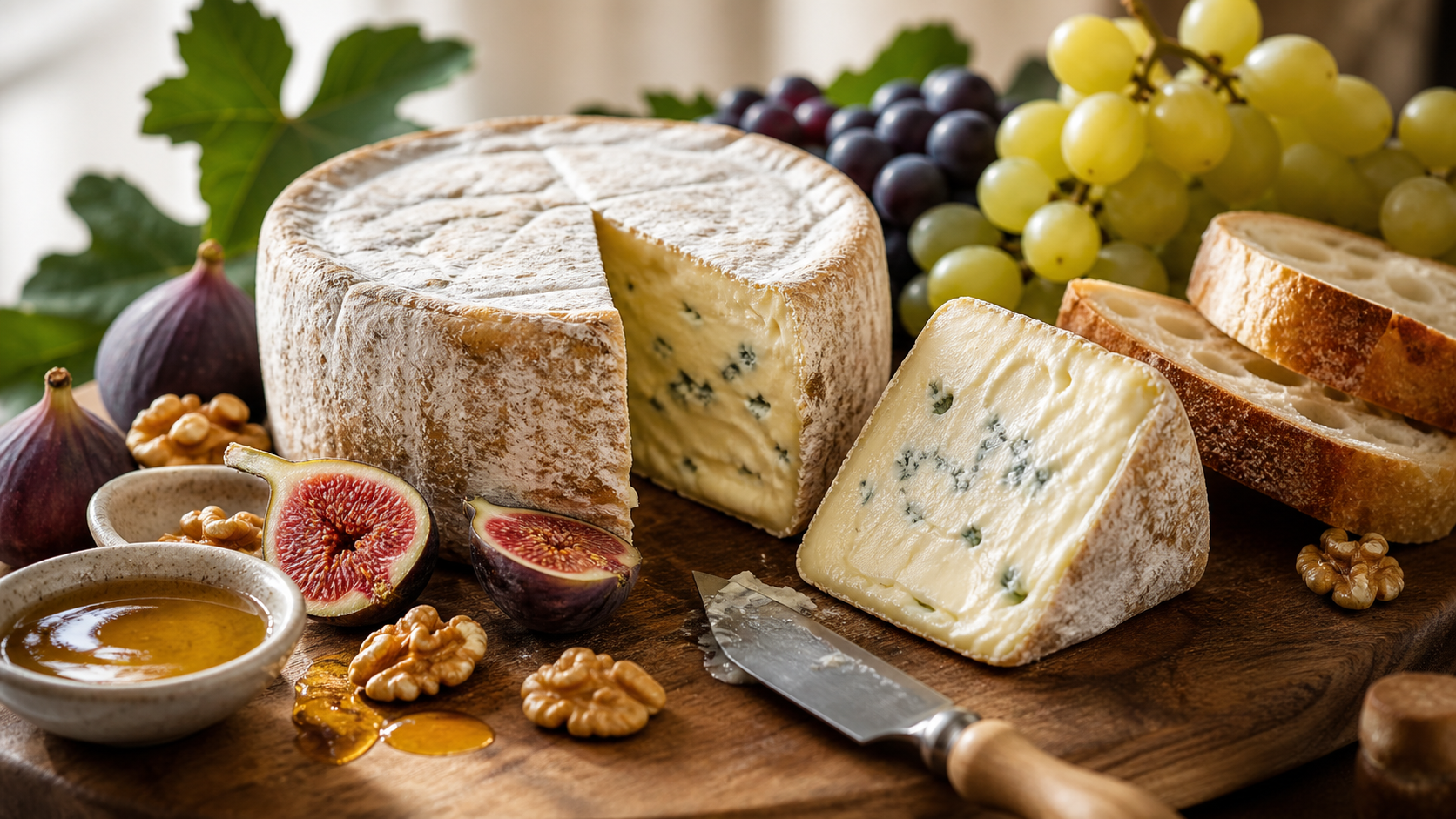
Masgonzola is commonly described online as a soft, creamy cheese concept that combines the richness of mascarpone with the tangy blue character of gorgonzola. Some sources describe it as a fusion-style cheese rather than a formally protected cheese category. That matters because traditional Gorgonzola has protected status in Europe, while this newer blended idea does not appear to have the same formal designation.
At its heart, this cheese is about balance. Mascarpone brings smoothness, sweetness, and a buttery feel. Gorgonzola brings saltiness, aroma, and blue-veined depth. Together, they create a gentler cheese that feels fancy but still easy to enjoy.
For people who find strong blue cheese too sharp, this blend can feel like a softer doorway into the world of blue cheeses. It gives you the flavor without the “Whoa, that’s intense!” moment.
The Origin and Food Culture Behind This Cheese
To understand this cheese, you need to understand its two inspirations.
Gorgonzola is a famous Italian blue cheese made from cow’s milk. It is known for its blue-green marbling, which develops with the help of Penicillium roqueforti. The Gorgonzola PDO Consortium explains that the typical marbling forms when selected mold cultures are added and the cheese is pierced during maturation so air can help the mold grow.
Mascarpone, on the other hand, is a rich Italian dairy product made by heating cream and adding citric or tartaric acid. Britannica notes that mascarpone is traditionally linked with Lombardy and is valued for its creamy, delicate texture.
So, when these two ideas come together, the result is a modern, Italian-inspired cheese experience. It is not quite dessert cheese. It is not quite full-strength blue cheese either. It sits happily in the middle.
Flavor Profile: Creamy, Tangy, and Mildly Bold
The first thing most people notice is the texture. It is soft, smooth, and spreadable. When served at room temperature for a short time, it becomes even silkier.
The flavor usually starts with a mild creaminess. Then comes a gentle tang from the blue cheese side. The finish is savory, slightly salty, and earthy. It does not usually hit as hard as aged blue cheeses, which makes it easier to pair with everyday foods.
Here’s a simple flavor table:
| Feature | What to Expect |
|---|---|
| Texture | Soft, creamy, spreadable |
| Taste | Buttery, tangy, lightly salty |
| Aroma | Mild blue cheese scent |
| Finish | Savory and smooth |
| Best for | Pasta, boards, toast, sauces, dips |
How Masgonzola Is Made
There is no single official method, but most versions follow one of two styles.
Layered Style
In a layered style, mascarpone and gorgonzola are placed in visible layers. This creates a pretty appearance and lets each bite taste slightly different. One bite may feel creamier, while another has more blue cheese flavor.
Blended Style
In a blended style, the two cheeses are mixed until smooth. This creates a more even flavor. It is especially useful for spreads, dips, sauces, and fillings.
The Role of Blue Veins and Cream
The gorgonzola portion provides the blue-veined character. The mascarpone portion softens it with cream and sweetness. This is why the cheese melts well and works beautifully in warm dishes.
Nutrition Facts and Health Considerations
Like many creamy cheeses, this one is rich. It can provide calcium, protein, fat, and flavor in a small serving. However, it should be enjoyed in sensible portions because creamy cheeses can be high in saturated fat and sodium.
A practical serving size is about 1 ounce, or roughly 28 grams. That is enough to add flavor to toast, pasta, salad, or a cheese board without making the dish too heavy.
People watching sodium intake, saturated fat, or total calories should treat it as an occasional food rather than an everyday staple. Anyone with a milk allergy should avoid it, and people with lactose sensitivity should test carefully or ask a health professional.
9 Delicious Ways to Use This Cheese
1. Stir It Into Pasta Sauce
Add a small spoonful to warm pasta with a splash of pasta water. It melts into a creamy sauce without needing much effort.
2. Spread It on Toast
Use it on toasted sourdough or rustic bread. Add sliced figs, pears, or a drizzle of honey for a sweet-savory bite.
3. Melt It Into Risotto
Stir it in at the end of cooking. It gives risotto a creamy finish and a deeper flavor.
4. Add It to Pizza
Use small dots of cheese instead of covering the whole pizza. It pairs well with mushrooms, caramelized onions, pears, walnuts, and arugula.
5. Make a Cheese Board Star
Serve it beside crackers, grapes, apple slices, almonds, and honey. It gives the board a rich centerpiece.
6. Use It in Stuffed Chicken
Mix it with herbs and use it as a filling for chicken breast. Bake gently so the cheese stays creamy.
7. Blend It Into Dip
Mix it with Greek yogurt or sour cream, then add black pepper and herbs. Serve with vegetables or breadsticks.
8. Add It to Mashed Potatoes
A small amount can turn plain mashed potatoes into a restaurant-style side dish.
9. Pair It With Roasted Vegetables
Try it with roasted beets, carrots, potatoes, or squash. The creamy tang cuts through the natural sweetness of the vegetables.
Best Pairings for Cheese Boards
This cheese loves contrast. Since it is creamy and tangy, it pairs best with foods that are crisp, sweet, nutty, or acidic.
Great pairings include:
| Pairing | Why It Works |
|---|---|
| Pears | Sweetness balances the tang |
| Apples | Crisp texture refreshes the palate |
| Figs | Jammy flavor feels luxurious |
| Walnuts | Earthy crunch matches blue cheese notes |
| Honey | Softens saltiness |
| Crackers | Adds structure and crunch |
| Dark bread | Brings depth and warmth |
| Grapes | Juicy sweetness keeps it light |
For drinks, try sparkling water with lemon, apple cider, black tea, or grape juice. These drinks refresh the mouth without overpowering the cheese.
Cooking Tips for Better Results
The biggest rule is simple: do not blast it with high heat. Creamy cheeses can split or become oily if overheated.
Use low heat and add the cheese near the end of cooking. For pasta, turn off the heat first, then stir it in with a little reserved pasta water. For risotto, fold it in after the rice is cooked. For pizza, use small pieces so the flavor does not dominate.
Also, taste before adding salt. Gorgonzola-style cheeses are often naturally salty, so extra salt may not be needed.
Storage, Shelf Life, and Food Safety
Keep it refrigerated in an airtight container or its original wrapping. Once opened, use clean utensils every time. This helps prevent unwanted bacteria from entering the cheese.
Do not leave it out for long periods. For serving, bring it out shortly before eating so it softens slightly, then return leftovers to the fridge.
Throw it away if you notice a sour smell, slimy texture, unusual discoloration beyond normal blue veining, or a bitter spoiled taste. Blue cheese naturally has mold, but unsafe spoilage can still happen.
Buying Guide: What to Look For
When buying this type of cheese, look for freshness and balance. The cheese should look creamy, not dried out. It should smell tangy and earthy, not rotten or ammonia-like.
Check the label. Some products may be called gorgonzola mascarpone, mascarpone blue, or layered blue cheese with mascarpone. A Swiss retailer, for example, describes a similar product as an Italian cheese preparation made by layering Gorgonzola and mascarpone.
Choose smaller portions if you are trying it for the first time. This helps avoid waste and lets you learn how strong you like it.
Easy Home Recipe Idea: Creamy Blue Cheese Spread
Ingredients
| Ingredient | Amount |
|---|---|
| Mascarpone | ½ cup |
| Gorgonzola dolce | ¼ cup |
| Lemon zest | ½ teaspoon |
| Black pepper | To taste |
| Chopped chives | 1 tablespoon |
| Honey | Optional drizzle |
Method
Let both cheeses soften slightly in the fridge, not on a hot counter. Mash them together with a fork until smooth but still slightly marbled. Add lemon zest, black pepper, and chives. Taste before adding salt. Finish with a tiny drizzle of honey if you want a softer, sweeter flavor.
Serve with toast, crackers, roasted vegetables, or fresh fruit.
Common Mistakes to Avoid
The first mistake is using too much. This cheese is rich, so a little goes a long way.
The second mistake is pairing it only with salty foods. Since the cheese already has salty notes, sweet and crisp foods often work better.
The third mistake is overheating it. Gentle warmth keeps it smooth. Harsh heat can make it greasy.
The fourth mistake is serving it ice-cold. When it is too cold, the flavor feels muted. Let it soften briefly before serving for the best taste.
FAQs About Masgonzola
1. Is Masgonzola the same as Gorgonzola?
No. Gorgonzola is a protected Italian blue cheese, while this term is usually used for a creamy blend or fusion inspired by mascarpone and gorgonzola.
2. Does it taste very strong?
Usually, no. It is milder than many traditional blue cheeses because mascarpone softens the sharpness.
3. Can I use it in pasta?
Yes. It works very well in pasta sauces. Add it off the heat with a splash of pasta water for a smooth sauce.
4. Is it good for cheese boards?
Absolutely. It pairs well with pears, grapes, figs, honey, walnuts, crackers, and rustic bread.
5. Can I make it at home?
Yes. You can mix mascarpone with a mild gorgonzola, especially Gorgonzola Dolce, to create a simple homemade version.
6. Is it healthy?
It can be part of a balanced diet, but it is rich. Enjoy small portions, especially if you are watching calories, saturated fat, or sodium.
7. Can I freeze it?
Freezing is not ideal. The texture may become grainy after thawing. It is better to buy small amounts and use it fresh.
8. What is the best substitute?
Try mascarpone mixed with blue cheese, cream cheese mixed with gorgonzola, or a mild blue cheese spread.
Conclusion
Masgonzola is a creamy, flavorful, and beginner-friendly way to enjoy blue cheese character without overwhelming sharpness. It brings together the buttery softness of mascarpone and the tangy depth of gorgonzola in a style that works for pasta, toast, cheese boards, pizza, dips, and elegant appetizers.
Use it gently, pair it wisely, and serve it with foods that bring sweetness, crunch, or freshness. With the right balance, this cheese can turn simple meals into something memorable.

Embarqmail Login: Accessing, Managing, and Troubleshooting Your Email Account

WhatUTalkingBoutWillis Gift Guide: Thoughtful Gift Ideas for Every Occasion

Michael Steele MSNBC Salary: Career, Earnings, Net Worth, and Media Success
-

 Fashion9 years ago
These ’90s fashion trends are making a comeback in 2017
-

 Entertainment6 months ago
Big brother magazine: 7 Powerful Lessons from a Rebel Skateboarding Icon
-
Entertainment9 years ago
The final 6 ‘Game of Thrones’ episodes might feel like a full season
-

 Blog6 months ago
مانهوا الدرس السري: The Hidden World Behind This Popular Manhwa
-
Fashion9 years ago
According to Dior Couture, this taboo fashion accessory is back
-
Sports9 years ago
Boxing continues to knock itself out with bewildering, incorrect decisions
-
Entertainment9 years ago
Mod turns ‘Counter-Strike’ into a ‘Tekken’ clone with fighting chickens
-
Entertainment9 years ago
The old and New Edition cast comes together to perform