
Tech
SSIS 469: Understanding Its Purpose, Features, and Business Applications

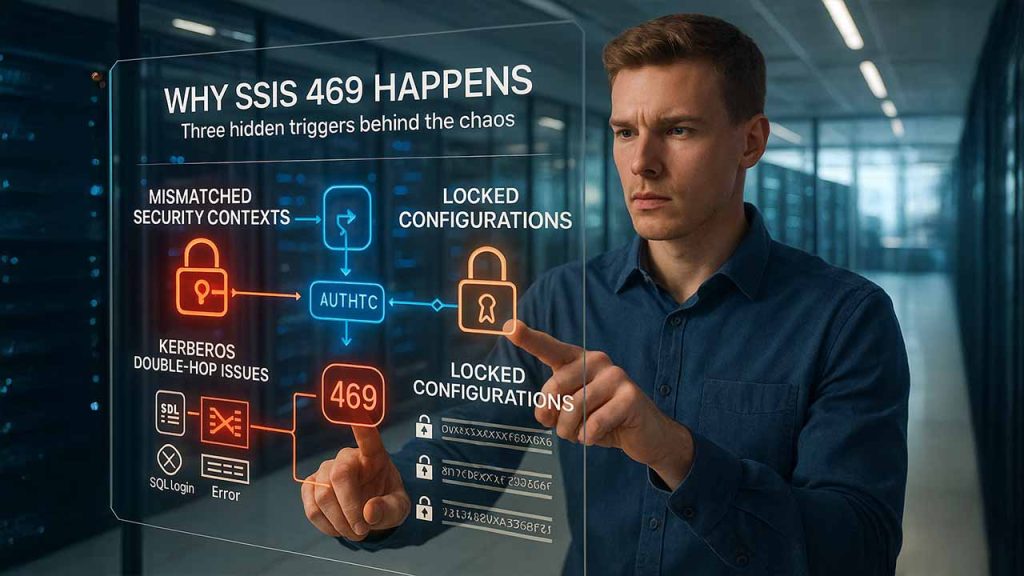
In today’s data-driven business environment, organizations depend heavily on efficient data management and integration solutions. One term that has gained attention among technology professionals and database administrators is SSIS 469. Whether you are a data analyst, IT specialist, database administrator, or business intelligence professional, understanding the role and functionality associated with SSIS 469 can help improve data workflows and operational efficiency.
As companies generate massive amounts of information from multiple sources, the need for seamless extraction, transformation, and loading processes continues to grow. This is where advanced integration frameworks and data management solutions become valuable. This guide explores SSIS 469 in detail, examining its features, applications, benefits, challenges, and future relevance in modern enterprise environments.
What Is SSIS 469?
SSIS stands for SQL Server Integration Services, a platform commonly associated with data integration, migration, and workflow automation. The term SSIS 469 is often discussed in technical communities and informational resources related to database management, enterprise data processing, and system integration.
Organizations rely on integration solutions to move information between databases, cloud services, applications, and reporting systems. These processes help businesses maintain data consistency and improve decision-making capabilities.
Understanding the concept behind SSIS 469 allows professionals to appreciate how structured data workflows contribute to overall organizational success.
Why Data Integration Matters
Before exploring technical aspects, it is important to understand why data integration plays such a critical role.
Modern businesses collect data from:
- Customer relationship management systems
- Enterprise resource planning platforms
- E-commerce websites
- Mobile applications
- Financial software
- Cloud-based services
Without proper integration, information often becomes fragmented across multiple systems.
Benefits of Effective Data Integration
Organizations gain several advantages when implementing efficient integration strategies:
- Improved data accuracy
- Faster reporting
- Better business intelligence
- Reduced manual work
- Enhanced operational efficiency
- Consistent information across departments
These benefits directly support informed decision-making and long-term growth.
Core Components Associated with SSIS 469
Many discussions surrounding SSIS 469 focus on the essential elements involved in data movement and transformation.
Data Extraction
Extraction is the process of collecting data from various sources.
Common sources include:
- SQL databases
- Excel spreadsheets
- Cloud applications
- Text files
- Web services
Efficient extraction ensures that relevant information enters the processing pipeline accurately.
Data Transformation
Transformation modifies data before it reaches its final destination.
Typical transformation tasks include:
- Data cleansing
- Formatting
- Standardization
- Validation
- Aggregation
This stage improves data quality and consistency.
Data Loading
Once transformed, data is loaded into a target destination.
Examples include:
- Data warehouses
- Reporting systems
- Analytics platforms
- Business intelligence dashboards
Loading processes support effective reporting and analysis.
Key Features of SSIS 469
The popularity of SSIS 469 discussions stems from several valuable features often associated with enterprise integration solutions.
Workflow Automation
Automation reduces repetitive manual tasks.
Benefits include:
- Increased efficiency
- Reduced human errors
- Faster processing times
- Improved consistency
Organizations frequently automate routine data transfers to save time and resources.
High-Volume Data Processing
Modern businesses generate enormous datasets.
Effective integration systems are designed to:
- Handle large data volumes
- Maintain performance
- Support scalability
- Improve reliability
These capabilities become increasingly important as organizations grow.
Error Handling and Monitoring
Data processing environments require strong monitoring capabilities.
Robust systems often provide:
- Error tracking
- Logging mechanisms
- Performance monitoring
- Failure notifications
These features help administrators identify and resolve issues quickly.
Business Applications of SSIS 469
Organizations across industries use data integration frameworks for various purposes.
Financial Reporting
Financial institutions depend on accurate and timely reporting.
Data integration supports:
- Revenue analysis
- Expense tracking
- Compliance reporting
- Budget forecasting
Reliable data movement improves reporting accuracy.
Customer Analytics
Businesses use customer data to understand behavior and preferences.
Integrated systems help consolidate information from:
- Sales platforms
- Marketing tools
- Customer support systems
- Website analytics
Unified customer data leads to better strategic decisions.
Inventory Management
Retail and manufacturing organizations often manage inventory across multiple systems.
Data integration enables:
- Real-time inventory updates
- Supply chain visibility
- Demand forecasting
- Operational efficiency
Accurate inventory data helps reduce costs and improve customer satisfaction.
Advantages of Implementing Modern Data Integration Solutions
Many organizations invest heavily in integration technologies because of their long-term benefits.
Improved Data Quality
Data quality directly impacts business performance.
Integration processes can:
- Remove duplicates
- Correct inconsistencies
- Validate entries
- Standardize formats
High-quality data supports better decision-making.
Faster Decision-Making
Executives rely on timely information.
Integrated systems provide:
- Real-time insights
- Updated reports
- Accurate analytics
- Faster access to information
This enables organizations to respond quickly to market changes.
Enhanced Productivity
Automation reduces manual data handling.
Employees can focus on:
- Strategic initiatives
- Analysis
- Customer service
- Business development
Productivity improvements often generate significant cost savings.
Common Challenges in Data Integration
While integration offers many benefits, organizations may face challenges during implementation.
Data Complexity
Businesses often manage information across numerous platforms.
Challenges may include:
- Different data formats
- Legacy systems
- Inconsistent structures
- Data duplication
Careful planning helps overcome these obstacles.
Security Concerns
Protecting sensitive information remains a top priority.
Organizations must address:
- Data encryption
- Access control
- Regulatory compliance
- Privacy requirements
Strong security measures reduce potential risks.
Scalability Requirements
As businesses grow, integration systems must adapt accordingly.
Scalable solutions support:
- Increased workloads
- Additional users
- New data sources
- Expanding infrastructure
Future-ready architectures help organizations avoid costly upgrades.
Best Practices for Data Integration Success
Organizations can maximize results by following established best practices.
Establish Clear Objectives
Successful projects begin with defined goals.
Examples include:
- Improving reporting accuracy
- Reducing manual processes
- Enhancing analytics capabilities
- Supporting digital transformation
Clear objectives guide implementation efforts.
Prioritize Data Governance
Governance ensures data remains consistent and reliable.
Effective governance includes:
- Quality standards
- Documentation
- Access policies
- Compliance procedures
Strong governance supports long-term success.
Monitor Performance Regularly
Continuous monitoring helps identify opportunities for improvement.
Organizations should evaluate:
- Processing speed
- Error rates
- Resource usage
- System reliability
Ongoing optimization enhances efficiency.
Future Trends Related to SSIS 469
Data integration technologies continue to evolve alongside digital transformation initiatives.
Cloud Integration
Cloud adoption is accelerating across industries.
Future solutions will increasingly support:
- Hybrid environments
- Multi-cloud strategies
- Remote access
- Scalable infrastructure
Cloud integration remains a major growth area.
Artificial Intelligence and Automation
AI-driven tools are transforming data management.
Potential applications include:
- Intelligent data mapping
- Predictive analytics
- Automated optimization
- Smart error detection
These innovations improve efficiency and accuracy.
Real-Time Data Processing
Organizations increasingly require immediate insights.
Real-time integration supports:
- Instant reporting
- Live dashboards
- Operational monitoring
- Rapid decision-making
This trend is expected to continue growing.
Why Businesses Continue Investing in Integration Technologies
Competitive organizations understand that data is one of their most valuable assets.
Effective integration solutions provide:
- Operational visibility
- Strategic insights
- Improved collaboration
- Better customer experiences
- Faster innovation
As digital ecosystems become more complex, integration capabilities remain essential for long-term success.
Conclusion
SSIS 469 represents an important topic within the broader landscape of data integration, database management, and enterprise information systems. Modern organizations rely on efficient data workflows to connect applications, automate processes, and generate meaningful insights from vast amounts of information.
By understanding the principles, benefits, challenges, and future trends associated with SSIS 469, businesses can make informed decisions regarding their data strategies. As technology continues to evolve, integration solutions will remain a critical component of digital transformation initiatives, helping organizations improve efficiency, accuracy, and competitiveness in an increasingly data-driven world.
Frequently Asked Questions (FAQs)
1. What is SSIS 469?
SSIS 469 generally refers to a topic associated with SQL Server Integration Services, data integration processes, and enterprise data management discussions.
2. Why is data integration important for businesses?
Data integration helps organizations consolidate information from multiple systems, improve accuracy, automate workflows, and support better decision-making.
3. What industries benefit from integration technologies?
Industries such as finance, healthcare, retail, manufacturing, education, and logistics commonly use integration solutions to manage data efficiently.
4. How does data transformation improve data quality?
Data transformation standardizes, cleans, validates, and organizes information, making it more accurate and useful for analysis and reporting.
5. What future trends are influencing data integration?
Cloud computing, artificial intelligence, automation, and real-time processing are among the most significant trends shaping the future of data integration.

Embarqmail Login remains an important topic for users who continue to access legacy email services associated with Embarq and related telecommunications providers. Many individuals still rely on their existing email accounts for personal communication, business correspondence, and account management across various online platforms.
Although internet and communication services have evolved significantly over the years, many long-term users continue to maintain their email addresses because of the convenience and familiarity they provide. Understanding how to access, manage, and secure an email account is essential for ensuring uninterrupted communication.
This guide explains everything users need to know about account access, password recovery, security measures, configuration settings, and troubleshooting common problems.
Understanding Embarqmail and Its Background
Before discussing the login process, it is helpful to understand what this email service represents.
Embarq was once a major telecommunications company that provided internet, telephone, and email services to customers across several regions. Following corporate mergers and service transitions, many users retained their email addresses even as infrastructure and branding changed over time.
Today, account holders often continue using their email addresses for:
- Personal communication
- Banking notifications
- Subscription services
- Online shopping accounts
- Professional correspondence
- Social media verification
Because these email accounts are frequently linked to numerous online services, maintaining access is extremely important.
How to Complete an Embarqmail Login
The process of accessing an email account is generally straightforward.
Step 1: Open the Official Email Portal
Launch your preferred web browser and navigate to the current email login page associated with your account provider.
Step 2: Enter Your Email Address
Type your complete email address into the username field.
Make sure:
- There are no typing errors.
- The domain is correct.
- Extra spaces are removed.
Step 3: Enter Your Password
Input your account password carefully.
Check:
- Caps Lock status
- Keyboard language settings
- Special characters
Step 4: Select Sign In
Click the login button to access your inbox and account dashboard.
Once authenticated, you can manage emails, contacts, folders, and account settings.
Common Embarqmail Login Problems
Users occasionally encounter issues while attempting to access their accounts.
Understanding these problems can help speed up the resolution process.
Incorrect Username or Password
This is the most common login issue.
Possible causes include:
- Forgotten passwords
- Mistyped email addresses
- Recently changed credentials
- Browser auto-fill errors
Carefully verify all login information before attempting another sign-in.
Browser Compatibility Issues
Outdated browsers may cause login failures or display problems.
Recommended actions include:
- Updating your browser
- Clearing browser cache
- Removing cookies
- Trying another browser
These steps often resolve access-related difficulties.
Account Lockout
Multiple unsuccessful login attempts may temporarily restrict account access.
In such cases:
- Wait for the lockout period to expire.
- Reset your password if necessary.
- Contact customer support if the issue continues.
Server Maintenance
Occasionally, login problems result from maintenance or temporary service interruptions.
Users should wait and try again later if a system-wide issue is suspected.
Password Recovery Options
Forgetting a password can be frustrating, but recovery options are generally available.
Using the Password Reset Feature
Most login pages include a password recovery option.
The process usually involves:
- Selecting “Forgot Password.”
- Verifying account ownership.
- Following security prompts.
- Creating a new password.
Security Questions
Some accounts may use security questions for identity verification.
Users should answer exactly as originally entered during account setup.
Recovery Email Verification
A secondary email address may be used to receive password reset instructions.
Keeping recovery information updated is essential.
Phone Verification
Certain accounts allow password recovery through mobile verification codes.
This provides an additional layer of security and convenience.
Embarqmail Login Security Best Practices
Protecting an email account should be a top priority.
Since email often serves as the gateway to other online services, security measures are critical.
Create Strong Passwords
A strong password should include:
- Uppercase letters
- Lowercase letters
- Numbers
- Special characters
Avoid using predictable information such as birthdays or names.
Update Passwords Regularly
Changing passwords periodically reduces security risks.
Many cybersecurity experts recommend updating credentials every few months.
Avoid Public Wi-Fi Networks
Public internet connections can expose sensitive information.
When accessing email on public networks, consider using a secure VPN connection.
Monitor Account Activity
Regularly review:
- Login history
- Security alerts
- Unrecognized devices
Immediate action should be taken if suspicious activity is detected.
Accessing Email on Mobile Devices
Modern users frequently check email from smartphones and tablets.
Mobile access offers flexibility and convenience.
Using Built-In Mail Applications
Most devices support manual email account setup.
Popular platforms include:
- Android
- iPhone
- iPad
- Windows devices
Synchronization Benefits
Mobile synchronization allows users to:
- Receive real-time notifications
- Send messages instantly
- Manage folders
- Access contacts
This helps maintain productivity while away from a desktop computer.
Configuring Email Clients
Many users prefer dedicated email applications instead of browser-based access.
Popular email clients include:
- Microsoft Outlook
- Mozilla Thunderbird
- Apple Mail
Incoming Mail Settings
Correct incoming server settings ensure messages download properly.
Users should verify:
- Server names
- Port numbers
- Encryption settings
Outgoing Mail Settings
Outgoing mail configurations are equally important.
Improper settings may prevent emails from being sent successfully.
Always confirm current server requirements through official support documentation.
Benefits of Maintaining an Existing Email Address
Many individuals continue using older email accounts despite the availability of newer providers.
Several advantages explain this choice.
Long-Term Reliability
An established email address often remains connected to numerous online accounts.
Changing addresses may require extensive updates across various platforms.
Familiarity
Long-term users appreciate the familiarity and consistency of their existing email systems.
Contact Continuity
Friends, family members, and professional contacts already recognize the address, reducing communication disruptions.
Organizing Your Inbox Efficiently
An organized inbox improves productivity and reduces clutter.
Create Custom Folders
Folders can help separate:
- Personal emails
- Work correspondence
- Financial documents
- Subscription notifications
Use Filters
Automatic filters sort incoming messages into designated categories.
This saves time and improves organization.
Archive Older Emails
Archiving preserves important messages without overcrowding the inbox.
Users can still access archived content whenever needed.
Troubleshooting Email Sending and Receiving Issues
Occasionally, users may experience email delivery problems.
Messages Not Sending
Potential causes include:
- Incorrect SMTP settings
- Weak internet connection
- Large attachments
- Security restrictions
Missing Emails
If emails are not appearing:
- Check spam folders.
- Review filters.
- Verify storage capacity.
- Refresh synchronization settings.
Attachment Problems
Large files may exceed attachment limits.
Consider:
- Compressing files
- Using cloud storage links
- Splitting large attachments
Tips for Better Email Management
Effective email habits can significantly improve efficiency.
Schedule Inbox Reviews
Avoid checking email constantly.
Designate specific times throughout the day.
Delete Unnecessary Messages
Regular cleanup keeps storage manageable.
Unsubscribe From Unwanted Lists
Reducing marketing emails minimizes inbox clutter.
Enable Security Notifications
Security alerts help identify suspicious account activity quickly.
The Future of Legacy Email Services
Although communication technology continues evolving, legacy email services remain valuable for many users.
Email continues to serve as a primary communication tool for:
- Personal messaging
- Business operations
- Account verification
- Digital record keeping
Users who maintain older email accounts often benefit from consistency and long-established communication networks.
Conclusion
Embarqmail Login remains relevant for users who continue relying on their long-standing email accounts for daily communication and online account management. Understanding the login process, password recovery methods, security practices, and troubleshooting techniques can help ensure uninterrupted access to important messages and services.
By maintaining strong security habits, organizing inboxes effectively, and staying informed about account settings, users can continue enjoying reliable email access while protecting sensitive information. Whether accessing email from a browser, smartphone, or desktop application, proper account management remains the key to a smooth and secure experience.
Frequently Asked Questions
1. What is Embarqmail Login?
Embarqmail Login refers to the process of accessing an existing Embarq email account through a web portal or email application.
2. What should I do if I forget my password?
Use the password recovery option available on the login page and follow the verification steps to create a new password.
3. Can I access my email account on a smartphone?
Yes. Most smartphones support email account configuration through built-in mail applications.
4. Why am I unable to sign in to my account?
Common causes include incorrect credentials, browser issues, temporary server problems, or account lockouts due to multiple failed login attempts.
5. How can I make my email account more secure?
Use a strong password, update it regularly, monitor account activity, avoid unsecured public networks, and keep recovery information current.

In today’s digital world, communication platforms continue to evolve, helping individuals and businesses connect more effectively. SpeakRJ has emerged as a topic of interest among users looking for innovative communication and engagement solutions. Whether you are exploring new platforms, researching digital tools, or simply curious about its capabilities, understanding SpeakRJ can help you determine its value and practical applications.
As technology advances, users expect faster, smarter, and more interactive experiences. Platforms that focus on communication, collaboration, and user engagement are becoming increasingly important. SpeakRJ represents this growing trend by offering features designed to enhance interactions and streamline communication processes.
What Is SpeakRJ?
SpeakRJ is a platform that has attracted attention due to its focus on communication, accessibility, and user engagement. While many digital solutions compete for attention, successful platforms distinguish themselves through ease of use, functionality, and adaptability.
Modern users demand tools that can help them connect efficiently while minimizing complexity. SpeakRJ aims to meet these expectations by providing an environment where communication and interaction can occur seamlessly.
The Growing Importance of Communication Platforms
The rise of digital transformation has changed the way people communicate. Traditional communication methods have gradually been supplemented by digital platforms that offer:
- Instant connectivity
- Real-time interactions
- Improved accessibility
- Enhanced collaboration
- Better user experiences
These trends contribute to the increasing relevance of platforms such as SpeakRJ.
Key Features of SpeakRJ
Understanding the core features of SpeakRJ helps users evaluate its potential benefits.
User-Friendly Interface
One of the most important factors influencing user satisfaction is simplicity. A well-designed interface enables users to navigate features without extensive training or technical expertise.
Benefits include:
- Easy navigation
- Reduced learning curve
- Faster adoption
- Improved efficiency
Enhanced Communication Tools
Modern communication platforms succeed by providing multiple ways for users to interact.
Potential communication tools may include:
- Messaging capabilities
- Real-time discussions
- Community engagement features
- Interactive content sharing
These features help improve collaboration and information exchange.
Accessibility and Convenience
Accessibility remains a key priority in digital platform development. SpeakRJ focuses on providing convenient access across different devices and user environments.
Advantages often include:
- Mobile compatibility
- Flexible access options
- Cross-platform functionality
- Consistent user experience
How SpeakRJ Benefits Users
Improved Collaboration
Effective collaboration helps teams and individuals achieve goals more efficiently. Communication-focused platforms reduce misunderstandings and promote productivity.
Better Engagement
User engagement is critical for both personal and professional interactions. Interactive features encourage participation and create stronger connections among users.
Time Efficiency
Digital communication tools save valuable time by enabling instant access to information and streamlined interactions.
Scalability
As user needs evolve, scalable solutions become increasingly important. Platforms capable of adapting to growth provide long-term value.
Why SpeakRJ Is Gaining Attention
Several factors contribute to the growing interest in SpeakRJ.
Rising Demand for Digital Communication
Businesses, educators, content creators, and communities increasingly rely on digital communication tools to connect with audiences.
Focus on User Experience
User experience plays a major role in platform adoption. Easy-to-use systems often enjoy higher engagement rates and stronger user retention.
Technological Innovation
Continuous improvements in technology create opportunities for platforms to deliver enhanced functionality and performance.
Common Use Cases for SpeakRJ
Business Communication
Organizations use communication platforms to improve internal collaboration and external engagement.
Educational Environments
Educational institutions benefit from tools that facilitate communication between students, instructors, and administrators.
Community Building
Online communities rely on communication platforms to foster discussions, share knowledge, and encourage participation.
Content Creation
Creators often use digital platforms to engage audiences, distribute content, and strengthen relationships with followers.
Tips for Maximizing the Value of SpeakRJ
To get the most from SpeakRJ, users should:
- Explore all available features.
- Participate actively in discussions.
- Stay updated with new platform developments.
- Utilize communication tools effectively.
- Encourage collaboration among participants.
Future Potential of SpeakRJ
The future of communication platforms appears promising as demand for digital interaction continues to grow. Innovations involving artificial intelligence, automation, and enhanced user experiences are expected to shape the next generation of communication tools.
SpeakRJ may continue evolving to meet changing user expectations while introducing new features that improve engagement and accessibility.
Conclusion
SpeakRJ represents the ongoing evolution of digital communication platforms. As individuals and organizations increasingly depend on efficient communication tools, platforms that prioritize usability, engagement, and accessibility are likely to gain greater relevance. By focusing on user needs and embracing technological innovation, SpeakRJ has the potential to remain a valuable solution in the rapidly changing digital landscape.
Frequently Asked Questions
1. What is SpeakRJ?
SpeakRJ is a communication-focused platform designed to improve interaction, engagement, and connectivity among users.
2. Who can use SpeakRJ?
Individuals, businesses, educators, content creators, and communities can potentially benefit from its communication features.
3. Why is SpeakRJ becoming popular?
Its focus on user experience, accessibility, and effective communication contributes to its growing popularity.
4. What are the main benefits of SpeakRJ?
Key benefits include improved collaboration, enhanced engagement, convenience, and scalability.
5. What is the future outlook for SpeakRJ?
As digital communication continues to expand, SpeakRJ may grow through innovation, improved functionality, and increased adoption.
In today’s digital education environment, schools need efficient tools to manage student information, communication, attendance, grading, and administrative tasks. One platform that has gained significant popularity among educational institutions is sis renweb. Designed to simplify school management processes, this system helps administrators, teachers, parents, and students stay connected through a centralized platform.
As schools continue adopting modern technology, solutions like sis renweb play a crucial role in improving operational efficiency and enhancing communication between all stakeholders. This article explores the platform’s features, benefits, functionality, and why many educational institutions rely on it for daily school operations.
What Is SIS RenWeb?
SIS RenWeb is a school information system that enables educational institutions to manage student records, attendance, grades, schedules, communication, and administrative tasks from a single platform.
The system was developed to reduce paperwork and streamline data management across schools. By providing online access to important information, it creates a more transparent and efficient learning environment for administrators, teachers, students, and parents.
Schools can customize the platform according to their requirements, making it suitable for various educational settings, including private schools, faith-based institutions, and independent academies.
The Evolution of Digital School Management
Before modern school management software became available, institutions relied heavily on manual record-keeping. Attendance sheets, report cards, fee records, and parent communications often required significant administrative effort.
The introduction of digital solutions transformed these processes by:
- Reducing paperwork
- Improving data accuracy
- Enhancing communication
- Providing real-time access to information
- Automating routine administrative tasks
Today, school information systems have become an essential part of educational administration, helping schools operate more efficiently.
Key Features of SIS RenWeb
Student Information Management
One of the primary functions of the platform is maintaining student records in a centralized database.
Schools can store:
- Personal information
- Academic records
- Attendance history
- Enrollment details
- Emergency contact information
- Health records
This centralized approach makes information retrieval faster and more reliable.
Attendance Tracking
Attendance management is a critical aspect of school administration.
The platform allows teachers and staff to:
- Record daily attendance
- Monitor absences
- Track tardiness
- Generate attendance reports
- Notify parents about attendance issues
Automated attendance tracking reduces errors and saves valuable administrative time.
Gradebook and Academic Monitoring
Teachers can enter grades directly into the system, making academic performance tracking easier than traditional methods.
Benefits include:
- Real-time grade updates
- Progress monitoring
- Assignment tracking
- Performance analysis
- Report card generation
Parents and students can view academic progress throughout the school year, encouraging greater engagement in learning.
Parent Access and Engagement
Strengthening Parent-School Communication
Effective communication between schools and families contributes significantly to student success.
The platform offers communication tools that allow parents to:
- View grades
- Check attendance records
- Access school announcements
- Review homework assignments
- Receive notifications
This transparency helps parents stay informed about their child’s educational journey.
Monitoring Student Progress
Instead of waiting for quarterly report cards, parents can monitor performance regularly.
Advantages include:
- Early identification of academic challenges
- Better collaboration with teachers
- Improved student accountability
- Increased parental involvement
Research consistently shows that active parental engagement positively impacts student achievement.
Teacher Benefits
Simplified Classroom Management
Teachers often juggle multiple responsibilities, including lesson planning, grading, attendance, and communication.
The platform helps streamline these tasks by providing:
- Digital gradebooks
- Attendance tools
- Assignment management
- Student performance reports
- Communication features
This allows educators to focus more on teaching and student development.
Efficient Reporting
Generating reports manually can consume significant time.
Automated reporting features allow teachers to create:
- Progress reports
- Academic summaries
- Attendance reports
- Performance analytics
The availability of real-time data improves decision-making and instructional planning.
Administrative Advantages
Centralized Data Management
School administrators require access to accurate information for effective decision-making.
A centralized database provides:
- Consistent record keeping
- Faster information retrieval
- Improved compliance
- Enhanced reporting capabilities
- Better operational oversight
This centralized structure reduces administrative complexity and increases efficiency.
Enrollment and Registration Support
Managing student enrollment can be a challenging process, especially for growing institutions.
Digital enrollment tools help schools:
- Process applications
- Manage admissions
- Maintain enrollment records
- Reduce paperwork
- Improve organizational accuracy
Automated workflows help simplify the registration process for both schools and families.
Financial Management Features
Many schools require integrated financial management tools.
These functions may include:
- Tuition tracking
- Billing management
- Payment processing
- Financial reporting
- Account management
By combining financial operations with student information management, schools can improve overall administrative efficiency.
Mobile Accessibility and Convenience
Access Anywhere, Anytime
Modern educational communities expect access to information from various devices.
Mobile-friendly access allows users to:
- Review grades
- Check attendance
- Receive notifications
- Access schedules
- Communicate with school staff
This flexibility improves user satisfaction and encourages greater engagement.
Benefits of Mobile Access
Some key advantages include:
- Faster communication
- Increased accessibility
- Real-time updates
- Better parent involvement
- Improved convenience
Mobile access ensures that important information remains available whenever needed.
Data Security and Privacy
Protecting Sensitive Information
Educational institutions manage large amounts of confidential student data.
A reliable school information system incorporates security measures such as:
- Secure authentication
- Access controls
- Data encryption
- User permissions
- Regular backups
Protecting sensitive information remains a top priority for schools and software providers alike.
Why Schools Choose SIS RenWeb
Several factors contribute to the popularity of this platform among educational institutions.
Schools often choose it because of:
- User-friendly design
- Comprehensive functionality
- Parent engagement tools
- Administrative efficiency
- Academic tracking capabilities
- Communication features
By bringing multiple functions together in one system, schools can reduce complexity while improving overall operations.
Common Challenges and Considerations
While school information systems provide numerous benefits, institutions should also consider potential challenges.
These may include:
- Staff training requirements
- System implementation time
- Data migration processes
- Ongoing maintenance
- User adoption rates
Proper planning and training can help schools maximize the value of their technology investments.
The Future of School Information Systems
Educational technology continues to evolve rapidly.
Future developments may include:
- Artificial intelligence integration
- Advanced analytics
- Predictive student performance tools
- Enhanced mobile functionality
- Greater automation
- Improved communication capabilities
As schools embrace digital transformation, information systems will continue to play a central role in educational management.
Conclusion
SIS RenWeb has become an important solution for schools seeking efficient and organized management of academic, administrative, and communication processes. By centralizing student records, attendance, grading, financial operations, and parent engagement tools, the platform helps educational institutions operate more effectively while improving transparency and collaboration.
For schools looking to modernize operations and create stronger connections between educators, students, and families, adopting a comprehensive school information system can be a valuable investment. As educational technology continues advancing, platforms like SIS RenWeb will remain essential in supporting successful school administration and student achievement.
Frequently Asked Questions (FAQs)
1. What is SIS RenWeb used for?
It is primarily used for managing student records, attendance, grades, communication, enrollment, and administrative operations within schools.
2. Can parents access student information through the platform?
Yes. Parents can typically view grades, attendance records, assignments, announcements, and other important school-related information.
3. Is SIS RenWeb beneficial for teachers?
Yes. Teachers can manage attendance, grading, assignments, reporting, and communication more efficiently through the system.
4. Does the platform support mobile access?
Yes. Many users can access important school information through mobile-friendly interfaces, allowing convenient access from smartphones and tablets.
5. Why do schools implement school information systems?
Schools use these systems to improve efficiency, reduce paperwork, enhance communication, centralize data management, and support better educational outcomes.

Embarqmail Login: Accessing, Managing, and Troubleshooting Your Email Account

WhatUTalkingBoutWillis Gift Guide: Thoughtful Gift Ideas for Every Occasion

Michael Steele MSNBC Salary: Career, Earnings, Net Worth, and Media Success
-

 Fashion9 years ago
These ’90s fashion trends are making a comeback in 2017
-

 Entertainment6 months ago
Big brother magazine: 7 Powerful Lessons from a Rebel Skateboarding Icon
-
Entertainment9 years ago
The final 6 ‘Game of Thrones’ episodes might feel like a full season
-

 Blog6 months ago
مانهوا الدرس السري: The Hidden World Behind This Popular Manhwa
-
Fashion9 years ago
According to Dior Couture, this taboo fashion accessory is back
-
Sports9 years ago
Boxing continues to knock itself out with bewildering, incorrect decisions
-
Entertainment9 years ago
Mod turns ‘Counter-Strike’ into a ‘Tekken’ clone with fighting chickens
-
Entertainment9 years ago
The old and New Edition cast comes together to perform